Methadone Dispensing Pharmacy Design
Find out what your pharmacy design needs to achieve when pharmacotherapy services are part of your offering - dosing point layout, Schedule 8 storage, patient privacy, and regulatory requirements.
Australian community pharmacies help thousands of patients access supervised methadone and buprenorphine dispensing every day through opioid pharmacotherapy programs.
Introducing pharmacotherapy services through Opioid Dependence Treatment (ODT) dispensing provides both meaningful community healthcare outcomes and a stable, service-based income stream for pharmacies. ODT services generate consistent daily patient visits, predictable professional service revenue, and long-term patient relationships that are less affected by retail fluctuations or dispensing margin pressures.
Across Australia, state health departments recognise the essential role community pharmacies play in pharmacotherapy delivery and provide structured program frameworks and support payments linked specifically to supervised dosing services.
Methadone Dose Point Design
Pharmacies participating in state opioid treatment programs face design considerations that extend well beyond a standard pharmacy fitout.
The dosing environment must:
Support safe clinical supervision
Protect pharmacy staff
Preserve patient dignity and privacy
Comply with state pharmacotherapy program requirements
Integrate seamlessly into a functioning community pharmacy
Design Yard 32 has developed specialist knowledge in pharmacotherapy environments so pharmacy owners do not need to navigate these complexities alone. We understand the operational sensitivities and design spaces that work for patients, staff, and compliance obligations simultaneously.
Security, Patient Access & Pharmacy Integration
Pharmacist and staff safety is a fundamental design requirement, integrated from the earliest planning stage rather than added as an afterthought.
Key security design considerations include:
Schedule 8 secure storage integration
Controlled access to dosing areas
Appropriate camera placement planning
Safe pharmacist workflow positioning
Separation between public and controlled areas
Secure record management locations
Pharmacotherapy patients attend pharmacies frequently, often daily. The design of arrival, waiting, and circulation areas therefore plays an important operational and social role.
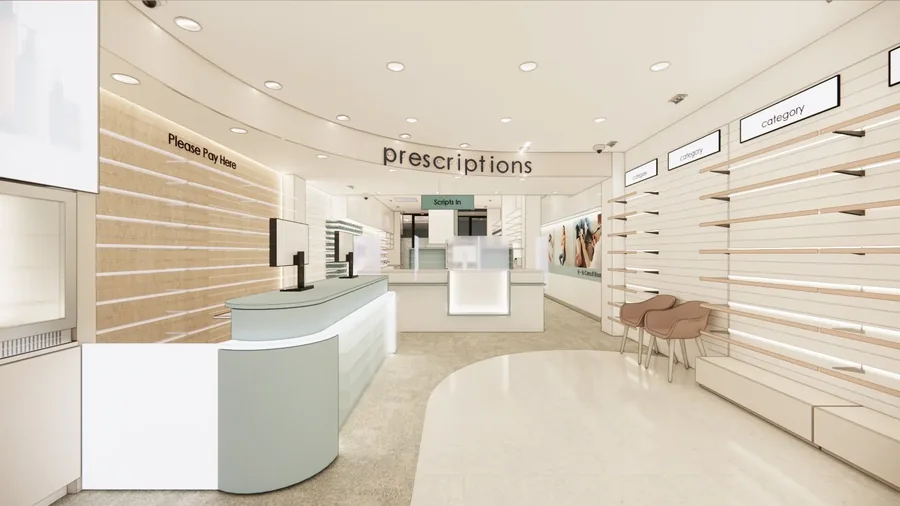
A well-designed pharmacy provides discreet access pathways that minimise congestion at the main dispensary counter while maintaining patient privacy and dignity. Thoughtful spatial planning helps reduce stigma, supports calm interactions, and allows dosing services to operate efficiently alongside general pharmacy trade.
Design solutions may include:
Clearly defined but discreet waiting locations
Separation from retail browsing zones where appropriate
Managed visibility between public and dosing areas
Intuitive circulation that avoids unnecessary queuing or crowding
The goal is not isolation, but respectful integration within the broader pharmacy environment. A whole-of-pharmacy design approach - accounting for dispensary counter location, pharmacist movement between work zones, acoustic separation, and supervision visibility - ensures pharmacotherapy services enhance workflow rather than disrupt daily operations.
Access to Consultation Rooms for Clinical Assessments
Access to a consultation room supports clinical discussions, private communication, and professional interactions associated with pharmacotherapy services.
While dosing itself may occur in a dedicated area or consultation room, pharmacies benefit from having appropriately designed private spaces that allow confidential conversations when required. Consultation rooms also support broader clinical services delivered by the pharmacy team. For guidance on consultation room design, visit our Pharmacy Consulting Rooms page.
Access for People with Disability
Pharmacotherapy services must be designed to remain accessible to all patients, including those with mobility limitations or additional support needs. Careful planning of circulation paths, door clearances, and dosing locations helps ensure safe, dignified access while meeting disability access requirements applicable to healthcare premises.
Regulatory Requirements for Methadone Dispensing Pharmacies
Methadone dispensing pharmacies operate under state-based opioid pharmacotherapy programs, each with specific requirements for pharmacy premises, patient flow, supervision, and dispensing environments. Understanding these regulatory frameworks is essential when planning a compliant fitout or upgrading an existing pharmacy.
Across Australia, requirements vary by jurisdiction:
NSW - NSW Health - NSW Opioid Treatment Program (OTP) for Pharmacists: registration as a dosing point, Schedule 8 storage requirements, supervised dosing and depot buprenorphine administration obligations.
VIC - Victorian Department of Health - Pharmacotherapy (Opioid Replacement Therapy): how dispensers are authorised, the community-based dispensing model, and training requirements for participating pharmacies.
QLD - Queensland Health - Queensland Opioid Treatment Program (QOTP): prescribing approvals, monitored medicines requirements under the Medicines and Poisons Act 2019, and dispensing pharmacy obligations.
WA - WA Department of Health - Opioid Substitution Treatment: prescriber approval, patient authorisation, pharmacy requirements, and application information for the Community Program for Opioid Pharmacotherapy (CPOP).
SA - SA Health - Community Pharmacy MATOD Program: supervised dosing requirements, Long-Acting Injectable Buprenorphine (LAIB) administration, and pharmacy obligations under SA's Medication Assisted Treatment for Opioid Dependence program.
TGA - Therapeutic Goods Administration - Prescription Opioids Hub: federal Schedule 8 controlled drug requirements applying nationally, including regulatory guidance for health professionals dispensing opioid pharmacotherapy medicines.
Secure storage of opioid pharmacotherapy medicines is a core requirement for compliant methadone dispensing pharmacies. Medicines in active use must remain secured at all times and returned to the drug safe when not in use. Prior to introducing an Opioid Treatment Program, pharmacies should assess safe capacity and operational workflow.
Where long-acting injectable buprenorphine is stored, secure refrigeration compliant with relevant Schedule 8 storage requirements should be confirmed with the relevant state health authority.
Methadone dosing areas must support accurate measurement, hygienic preparation, supervised administration, and compliant takeaway dispensing in line with the Australian Pharmaceutical Formulary published by the Pharmaceutical Society of Australia. Buprenorphine dosing typically requires a simpler setup but still demands thoughtful planning around patient flow, supervision, and discreet supply.
Well-designed dosing environments balance regulatory compliance, operational efficiency, and patient dignity - a key consideration in successful pharmacotherapy pharmacy design.
Designing a methadone dispensing pharmacy requires understanding far more than cabinetry and layout. It involves balancing compliance, workflow efficiency, staff wellbeing, and patient dignity within a single environment.
At Design Yard 32, we work alongside pharmacy owners, operators, and healthcare providers to deliver pharmacotherapy environments that are practical, compliant, and sustainable for long-term operation.
If you are considering introducing methadone or buprenorphine dispensing, upgrading an existing pharmacy, or planning a new opioid treatment clinic, we would be happy to discuss your project.

Areas of Expertise
Contact Us
Frequently Asked Questions - Methadone Dispensing Pharmacy Design
-
Methadone dispensing pharmacies must meet state-based opioid pharmacotherapy program requirements covering Schedule 8 secure storage, supervised dosing environments, controlled access, staff safety, and patient privacy. Requirements vary by jurisdiction and are administered by the relevant state health department. National TGA Schedule 8 standards also apply. We are experienced across all Australian jurisdictions and guide pharmacy owners through the relevant regulatory framework for their state from the earliest design stage.
-
Yes - many community pharmacies add pharmacotherapy services to an existing fitout. The key design considerations are adequate Schedule 8 storage capacity, a compliant and discreet dosing area, appropriate supervision sight lines for the pharmacist, and controlled circulation between public and dosing zones. We assess your existing pharmacy layout and identify what modifications are needed to meet both compliance requirements and operational needs without a full pharmacy rebuild.
-
The dose point should be positioned to support pharmacist supervision from the dispensary, provide discreet patient access away from the main prescription counter, and allow efficient staff movement between the dosing area and dispensary. It should not create queuing or crowding that affects general pharmacy operations. The exact position depends on the pharmacy footprint and the number of patients served. We design dose points as an integrated part of the whole-pharmacy layout rather than an add-on.
-
Opioid pharmacotherapy medicines are Schedule 8 controlled drugs and must be stored in a compliant drug safe at all times. Specific safe specifications - including weight, fixing requirements, and construction standards - are governed by TGA requirements and state pharmacy authority guidelines. For pharmacies introducing long-acting injectable buprenorphine, secure refrigeration meeting Schedule 8 requirements must also be provided. We specify and coordinate safe installation as part of the broader dispensary design.
-
Patient privacy is a fundamental design requirement. Effective strategies include discreet waiting locations separated from general retail browsing, managed sight lines between public and dosing areas, and consultation room access for clinical discussions. Acoustic separation from the main pharmacy counter is also important where space allows. Our designs aim to create a dignified, respectful environment that reduces stigma while remaining fully integrated with the pharmacy's broader operations.
-
Methadone dispensing generally requires more dedicated infrastructure - accurate measurement equipment, supervised administration facilities, and strict storage and record-keeping provisions. Buprenorphine dispensing is typically less complex, though it still requires thoughtful planning for patient flow, supervision, privacy, and Schedule 8 storage. Long-acting injectable buprenorphine adds a secure refrigeration requirement. We design dosing environments capable of supporting both medications, which provides flexibility as programs evolve.