Pharmacy Consulting Room Design

Understand what a purpose-built consulting room needs to achieve - for your patients, your services, and the regulatory standards that apply.

Community pharmacies are increasingly evolving into primary healthcare destinations. A well-designed consulting room allows pharmacists to deliver professional services in a private, clinical environment while expanding the scope of patient care.

At Design Yard 32, we design pharmacy consulting rooms that support professional service delivery while aligning with the professional practice standards of the Pharmacy Board of Australia, administered nationally through the Australian Health Practitioner Regulation Agency (AHPRA).

Our focus is to create consultation spaces that function operationally, align with compliance expectations, and feel comfortable and safe for both pharmacist and patient.
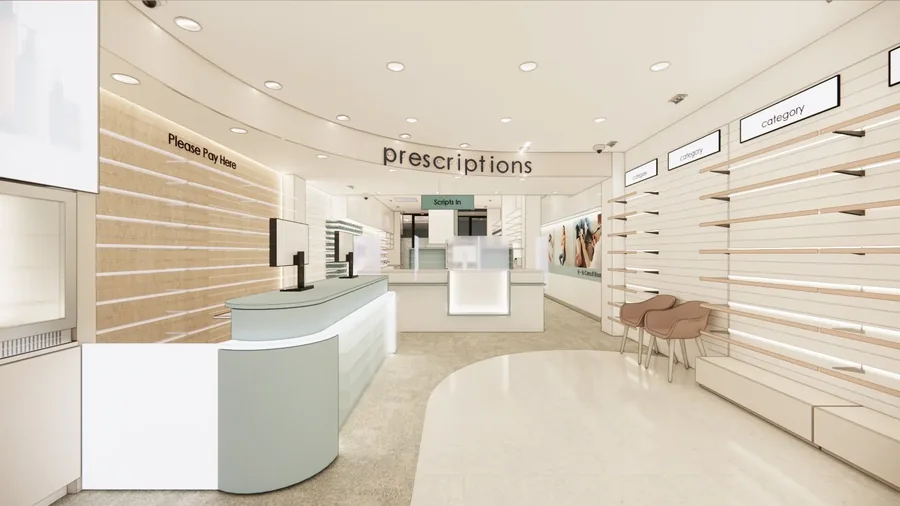
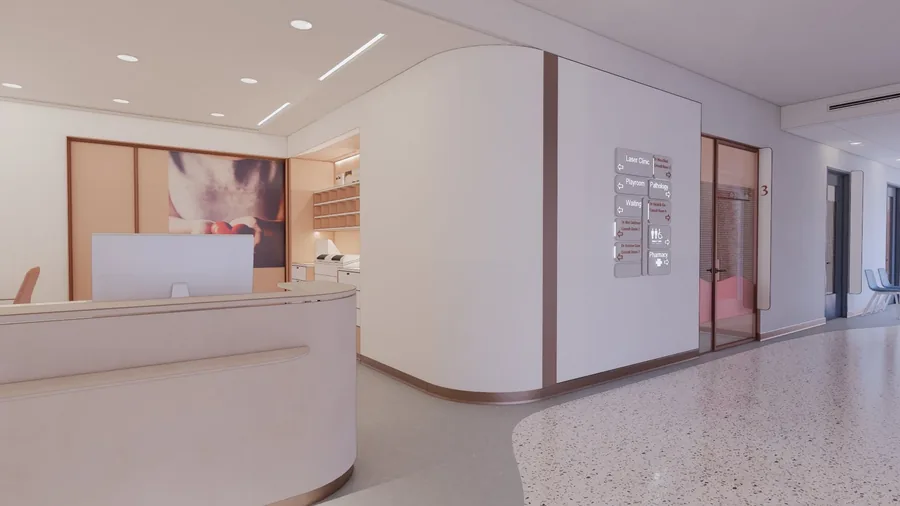
Why Your Pharmacy Needs a Consulting Room

Professional pharmacy services rely on dedicated consultation spaces, build as a setting suitable for professional interaction.

A purpose-built consulting room enables pharmacies to:

  • Deliver billable professional services, including medication reviews, vaccinations and immunisation services, Home Medicines Reviews (HMR), chronic disease management support, medication adherence consultations, staged supply and opioid substitution consultations, prescribing services where permitted, apnoea testing, health screenings, and telehealth consultations

  • Support structured and private patient consultations

  • Strengthen the pharmacy's role as a healthcare provider

When designed correctly, the consulting room becomes both a clinical asset and a business asset - supporting new service models while improving patient trust and engagement.

Regulatory Framework and Design Compliance

Pharmacy premises, including consultation rooms, are designed in accordance with professional practice standards set by the Pharmacy Board of Australia and relevant guidance referenced by the Australian Pharmacy Council.

These standards influence key spatial and construction decisions, including:

  • Acoustic privacy from surrounding pharmacy areas

  • Visual privacy from the retail environment

  • Appropriate room dimensions for the services delivered

  • Provision of handwashing facilities suitable for healthcare services

  • Flooring, signage, locking, and waste management requirements

The consultation room and the pathway to its door must be designed for access - a person using a mobility aid must be able to enter, use the space, and exit safely and independently.

Our role as designers is to translate these professional expectations into practical architectural solutions - ensuring compliance is achieved through thoughtful planning rather than corrective upgrades later.

Your state or territory pharmacy authority may also issue specific guidelines for community pharmacy consultation rooms. If you are adding a consulting room, updated plans may need to be submitted to your state pharmacy authority for review and approval. We manage this submission process on your behalf.

Layout and Interior Design

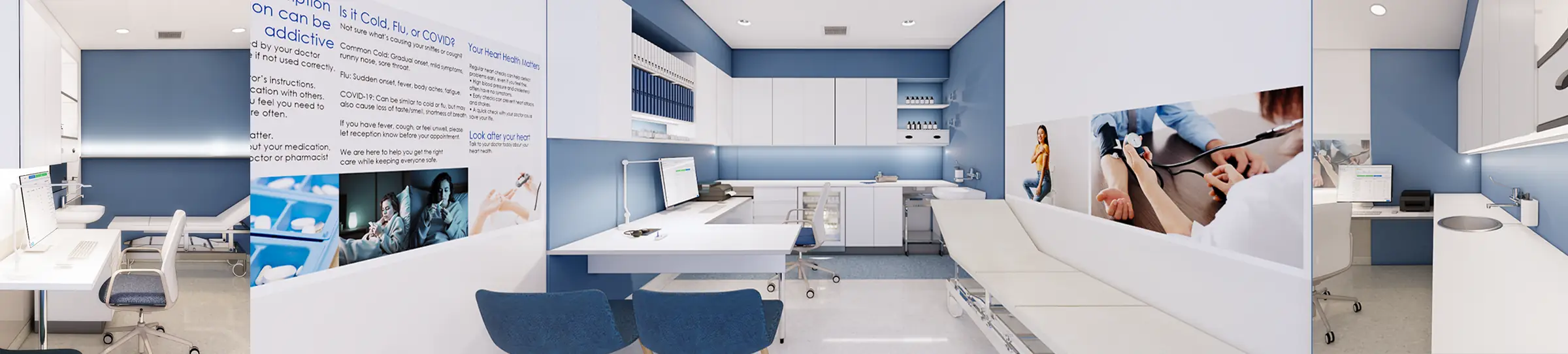
A successful consulting room balances clinical functionality with a welcoming atmosphere. Patients should feel comfortable, while pharmacists require efficient access to equipment and technology.

Design Yard 32 carefully considers:

  • Ergonomic positioning of pharmacist and patient seating and examination

  • Clinical, compliant and yet approachable interior finishes

  • Non-glare lighting suitable for consultations and clinical procedures

  • Storage and refrigeration for consumables, vaccination supplies, and clinical equipment

  • Compliance with state pharmacy authority guidelines and best practice for private consulting rooms in healthcare settings

  • Pharmacist safety

The goal is a space that supports professional workflow without feeling institutional.

Integrating the Consulting Room into the Pharmacy Layout

The placement of the consulting room within a pharmacy is critical. Its location must provide discreet patient access while maintaining operational efficiency for staff.

We assist pharmacies with both new layouts and retrofits by carefully considering access paths from the retail floor, proximity to the dispensary for appropriate pharmacist supervision, acoustic separation from high-traffic areas, and the specific functional requirements of each service delivered.

When thoughtfully integrated, the consulting room becomes a natural extension of pharmacy operations rather than an afterthought.

A well-designed consulting space supports the delivery of professional services, strengthens patient relationships, and prepares your pharmacy for the future of healthcare delivery.

Areas of Expertise

Contact Us

Frequently Asked Questions - Pharmacy Consulting Room Design

  • A dedicated consulting room is increasingly expected - not just desirable. The Pharmacy Board of Australia's professional standards and many state pharmacy authority guidelines emphasise privacy and clinical suitability for a growing range of professional services. If your pharmacy offers vaccinations, medication reviews, HMR, chronic disease consultations, telehealth, or pharmacotherapy services, a purpose-built room is the correct solution. It protects patient privacy, supports service quality, and demonstrates professional credibility to both patients and regulators.

  • There is no single fixed minimum, but a functional consulting room typically requires at least 8–10m² to accommodate pharmacist and patient seating, a workstation, handwashing facilities, and necessary storage. Rooms supporting vaccinations or clinical procedures may require additional space. We design consulting rooms proportionate to the services planned and appropriate for the pharmacy footprint, always ensuring accessible entry and circulation are maintained.

  • Acoustic privacy is a core requirement. Patients must be able to discuss sensitive health information in confidence, with no risk of being overheard from the retail floor or adjacent dispensary areas. This influences wall construction, door specification, ceiling design, and sometimes mechanical services routing. We design acoustic separation into the consulting room from the outset rather than treating it as an afterthought.

  • In many cases, yes. Consulting room additions are one of the most common retrofit projects we undertake. The key considerations are available floor area, access for people with disabilities, plumbing proximity for a handwash basin, acoustic separation from surrounding areas, and whether a building permit or pharmacy authority plan submission is required. We assess the feasibility of a consulting room addition quickly and clearly, giving you confidence before committing to a project.

  • Yes. Professional standards for pharmacy consulting rooms require provision for hand hygiene within or immediately adjacent to the space. A dedicated handwash basin, with appropriate tap controls and hygienic finishes, is expected for any room in which clinical services such as vaccinations or health assessments are delivered. We coordinate plumbing requirements as part of the consulting room design.

  • A well-designed consulting room supports a broad range of professional pharmacy services: vaccinations and immunisations, Home Medicines Reviews (HMR), Residential Medication Management Reviews (RMMR), chronic disease management consultations, medication adherence programs, sleep apnoea testing, telehealth consultations, staged supply and opioid substitution discussions, and prescribing services where permitted. The room can also support pharmacotherapy program interactions where confidential discussions are required.

  • Yes, in most states and territories. Adding or modifying a consulting room is a premises change that typically requires updated plans to be submitted to and approved by your state pharmacy authority before work begins. Some states also require updated ACPA approval if the layout change affects PBS eligibility. We prepare compliant authority submission plans and manage the approval process on your behalf, ensuring the project moves forward without regulatory delays.

What type of project can we help you with?