Medicinal Cannabis Dispensary Design
Know what makes a medicinal cannabis dispensary different - security, compliance, and patient privacy requirements that go beyond a standard pharmacy fitout.
If you are visiting this page, you are likely considering opening a medicinal cannabis dispensary or thinking about introducing medicinal cannabis dispensing within an existing pharmacy.
Cannabis Dispensary or Pharmacy?
From a regulatory and establishment perspective, a cannabis dispensary is still a pharmacy. The difference lies in focus. These pharmacies specialise in, or dedicate a significant portion of their services to, medicinal cannabis products. However, several operational differences influence design and approvals:
Premises are closely reviewed by pharmacy authorities for secure handling of larger volumes of Schedule 8 medicines
The full product journey is assessed, including delivery, unpacking, storage, dispensing, and postage
External signage referring to medicinal cannabis is generally not permitted
Pharmacists require specific training in cannabinoid pharmacology and patient counselling
A private consult room is preferred over consultation stations in front of the dispensary
Security of the dispensary perimeter is taken to a higher level than a standard pharmacy
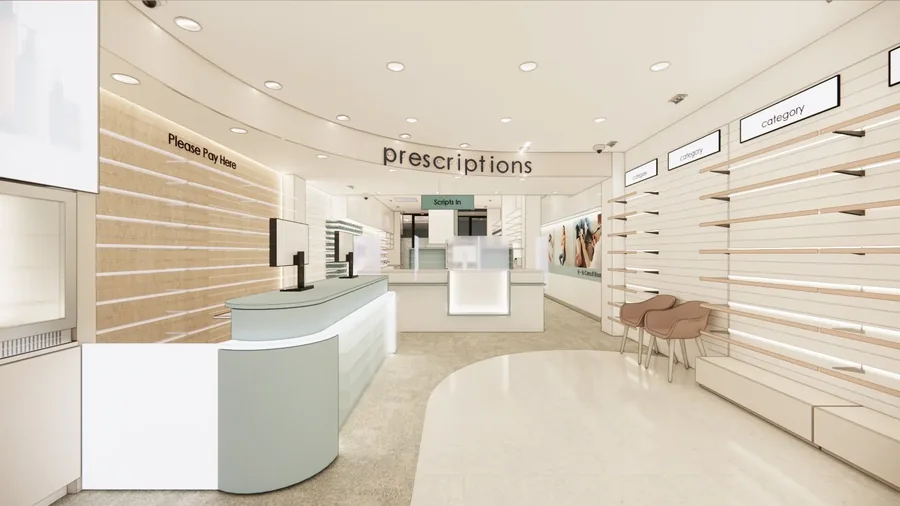
Cannabis Dispensary Fitout Considerations
Design plays an important role in both compliance and daily workflow. Typical considerations include:
Schedule 8 storage safes or vaults compliant with AS/NZS 3809:1998 and pharmacy authority requirements
Strict control of product visibility, as advertising laws prohibit public display of Schedule 4 and Schedule 8 medicines
Integrated security and CCTV coverage of storage areas, dispensing counters, and entry points
Private consultation rooms to support confidential patient discussions
Reduced retail area compared with traditional community pharmacies
Careful planning of product handling zones from delivery through to dispensing
Regulatory Background
Victoria was among the first Australian states to introduce legal prescribing and dispensing of medicinal cannabis, following extensive policy development. While access has expanded nationally, regulatory oversight continues to evolve. Different states and territories apply varying levels of oversight in prescribing and dispensing practices, and regulatory requirements should be confirmed with the relevant state pharmacy authority prior to fitout.
Medicinal Cannabis Dispensary Approvals
Approvals for a medicinal cannabis dispensary typically include:
Pharmacy authority approval of dispensary layout and security arrangements
Building permit or fitout certification
Australian Community Pharmacy Authority (ACPA) approval where PBS eligibility is required
Local council planning approval where land use consent applies
In Australia, any community pharmacy with an approved safe and appropriate registration can dispense medicinal cannabis. There is no separate cannabis licence required beyond standard pharmacy registration and compliance with Therapeutic Goods Administration (TGA) pathways.
Choosing the Right Tenancy
We are frequently contacted by pharmacists seeking guidance before committing to a lease. Early tenancy assessment can prevent costly redesign later. Key questions include:
Is the zoning suitable for pharmacy use?
Can the structure support heavy safes and required fixing methods?
Is accessible entry achievable?
Can ventilation systems be installed where required?
Is there sufficient space for specialised services such as compounding, dedicated HVAC equipment, and condensers?
If you are unsure whether a tenancy is suitable for a medicinal cannabis dispensary, we can guide you through an early feasibility assessment before lease commitments are made.
Security Design for Medicinal Cannabis Pharmacies
Security planning is a fundamental element of any medicinal cannabis dispensary fitout and must be integrated from the earliest design stage rather than added as an afterthought. Requirements typically go beyond those of a standard community pharmacy.
Key security design elements include:
Compliant Schedule 8 drug safes or vaults, correctly specified and structurally fixed
CCTV systems covering all critical zones: storage areas, dispensing counters, entry and exit points
Controlled access between public areas and the dispensary
Secure perimeter design for the dispensary enclosure
Panic and duress provisions integrated into the staff workflow
Electronic access control where required by the relevant pharmacy authority
We coordinate security design with pharmacy layout planning so that compliance is achieved without creating an institutional atmosphere for patients.
Patient Privacy & Consultation Rooms
Medicinal cannabis patients frequently require extended consultations, follow-up discussions, and counselling support. A well-designed consultation room supports these interactions in a private, clinically appropriate environment - and is generally expected by pharmacy authorities reviewing cannabis dispensary approvals.
For detailed information on pharmacy consulting room design, visit our Pharmacy Consulting Rooms page.
Areas of Expertise
Contact Us
Frequently Asked Questions - Medicinal Cannabis Dispensary Design
-
No separate cannabis-specific dispensary licence is required beyond standard pharmacy registration. Any registered community pharmacy with an approved Schedule 8 drug safe, appropriate security, and compliance with TGA pathways can dispense medicinal cannabis. However, premises are closely reviewed by the relevant state pharmacy authority, and the fitout must meet specific requirements for security, storage, and patient privacy. We guide pharmacists through the approval process from the design stage.
-
In many cases, yes - provided your existing pharmacy already has an approved Schedule 8 storage facility and adequate dispensary security. However, pharmacy authorities will review your premises and may require modifications to security arrangements, dispensary layout, or consultation facilities. We assess your existing fitout and identify exactly what changes are required, helping you achieve compliance with the minimum necessary disruption to trading.
-
Security requirements for medicinal cannabis dispensaries are more stringent than for standard community pharmacies, reflecting the larger volumes of Schedule 8 medicines involved. Typical requirements include compliant Schedule 8 storage (AS/NZS 3809:1998), comprehensive CCTV coverage of storage and dispensing areas, controlled access between public zones and the dispensary, and secure perimeter design. Specific requirements vary by state and territory. We design security systems that meet these obligations while preserving a professional and welcoming patient environment.
-
A private consultation room is strongly preferred by pharmacy authorities reviewing cannabis dispensary applications, and many patients expect it. Medicinal cannabis consultations often involve sensitive clinical and personal discussions that require privacy. A well-designed consultation room also allows the pharmacy to support ongoing patient management, improving both compliance and patient outcomes. We design consultation rooms that are functional, private, and proportionate to the scale of your pharmacy.
-
Yes, but the retail component is typically smaller than in a standard community pharmacy. Visibility and display of Schedule 4 and Schedule 8 medicines are restricted under advertising law, which limits the type of product merchandising possible in the dispensary and its surrounds. The retail area can still include general health, wellness, and OTC products, but the pharmacy's spatial emphasis shifts toward the dispensary, consultation, and secure storage functions. We balance these requirements in the layout to create a coherent, compliant pharmacy environment.
-
Medicinal cannabis dispensaries typically operate on smaller tenancies than full-service community pharmacies, reflecting their reduced retail emphasis. A well-functioning cannabis-focused dispensary can be designed within approximately 60–120m², depending on consultation room requirements, safe size, and the range of additional services offered. Early tenancy assessment is important to confirm structural suitability for heavy safes and to verify that ventilation and access requirements can be met.